

Global logistics supply still struggles to keep up with booming cross border shipping demand, even after a slight increase in overall air freight capacity. According to recent market insights shared by DHL Global Forwarding, powerful export momentum across the Asia-Pacific region — driven by tech manufacturing outputs and cross-border e-commerce shipments — continues to outgrow current industry capacity.
Based on the firm’s latest monthly market bulletin, global air cargo capacity saw a modest year-on-year rise of 2% in May, with most incremental space contributed by Asia-Pacific routes. Nevertheless, airline carriers continue optimizing their network toward high-margin long-haul services, while belly cargo capacity attached to passenger flights dropped by 3% year on year.
Looking ahead, DHL holds a positive outlook on the sustainability of Asia-Pacific cargo demand, backed by steady e-commerce growth, continuous tech product exports and widespread supply chain diversification strategies. Air capacity expansion will remain restrained, as carriers will keep prioritizing profitable route layouts instead of aggressive capacity enlargement.
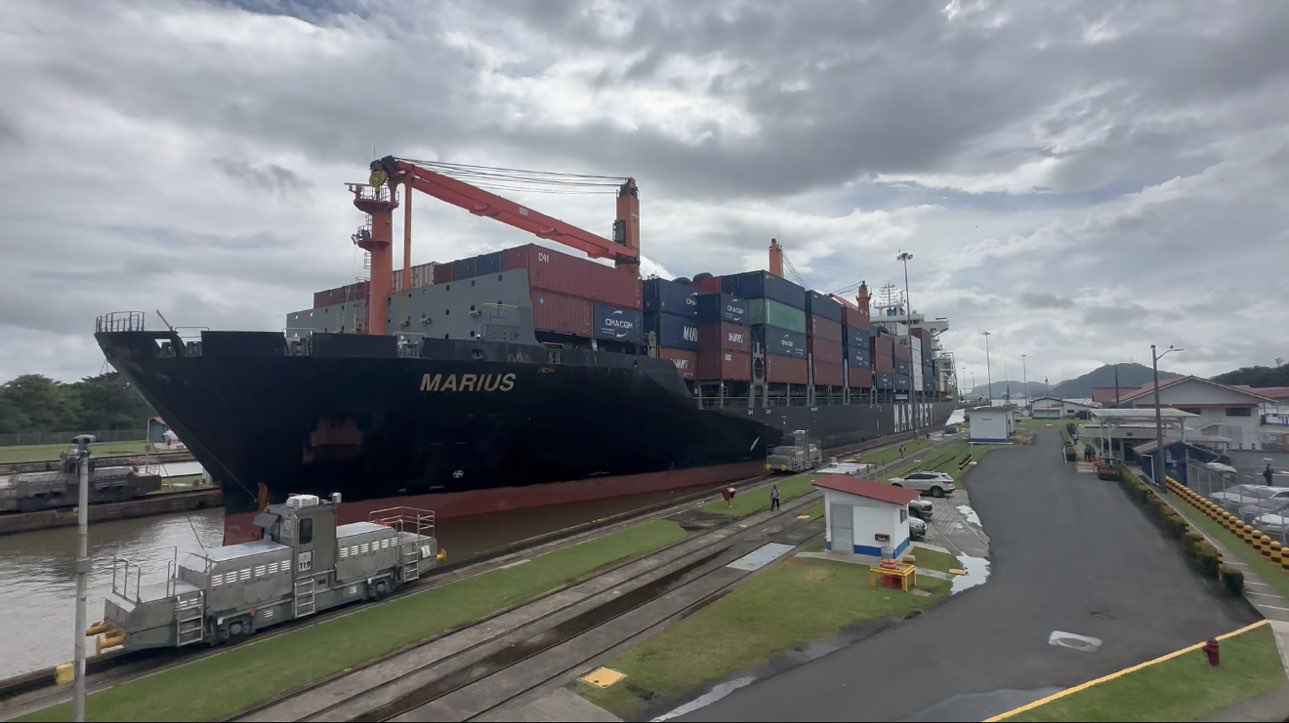
The ocean freight market faces an equally tough situation. The arrival of an early peak season has further tightened limited vessel space. Upcoming bunker surcharge adjustments effective on July 1 will push up overall logistics costs, urging shippers to advance cargo arrangements and lock in vessel space in advance to prevent container rollovers.
Despite a nominal expansion in global vessel fleets, port congestion, frequent route adjustments and extended sailing cycles have cut actual effective ocean capacity by around 17%. Industry executives pointed out that this year’s peak season arrives earlier with stronger cargo concentration, creating obvious pressure on both space availability and freight pricing.
Overall, the logistics sector predicts that notable freight rate declines in the short term will rely mainly on a slowdown in market demand, rather than a substantial boost in global shipping capacity.