

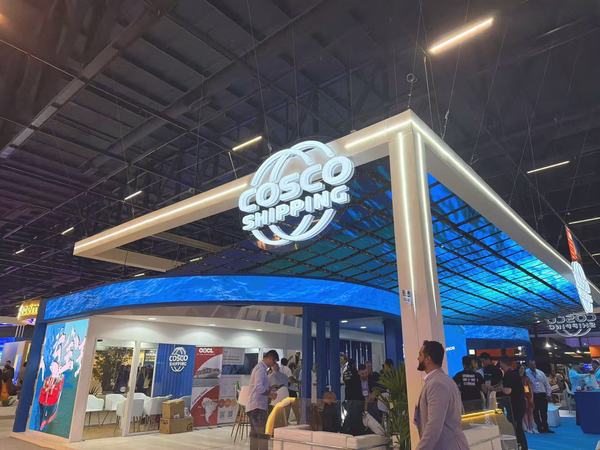
As Brazil’s busiest and most strategically vital maritime hub, Santos Port handles the majority of the country’s import and export cargo volume, serving as a core gateway connecting Brazil to global supply chains. For Chinese exporters and Brazilian importers engaged in cross-border trade, the operational status of Santos Port directly dictates shipping efficiency, cargo delivery cycles, and overall supply chain stability. In recent periods, sustained port congestion and fluctuating terminal operation efficiency have triggered widespread schedule disruptions for China-to-Brazil ocean freight, bringing multiple tangible challenges to cross-border logistics arrangements.
Santos Port undertakes nearly half of Brazil’s container throughput, covering mainstream cargo categories including daily necessities, industrial equipment, textile products, and auto parts. Its terminal operation efficiency, berth occupancy rate, and cargo clearance speed are key factors affecting the timeliness of China-Brazil shipping routes. At present, the port is facing intermittent congestion issues stemming from multiple intertwined factors.
Fluctuating regional cargo volume peaks, irregular terminal maintenance arrangements, and occasional customs inspection batch adjustments have collectively slowed down vessel berthing, cargo unloading, and container turnover efficiency. Unlike short-term port delays caused by extreme weather, the current congestion situation is persistent and progressive, leading to unstable sailing schedules for most regular China-Brazil liner services.
For enterprises relying on China-Brazil cross-border shipping for inventory replenishment and market supply, Santos Port congestion is no longer a simple delay issue but a systematic risk affecting business operation cycles. The logistics disruptions are mainly reflected in three core dimensions, bringing tangible cost and efficiency losses to importers.
Congestion leads to prolonged vessel queuing time before berthing, and the overall cargo transit period from Chinese departure ports to Brazilian destinations is significantly extended. Fixed shipping schedules become unpredictable, making it difficult for enterprises to formulate accurate inventory plans and market delivery arrangements.
Sluggish container turnover and delayed cargo pickup force goods to stay in port terminals and warehouses for longer periods. This generates additional terminal storage fees, container demurrage charges, and port handling surcharges that are not included in standard ocean freight, directly increasing the overall logistics cost of each shipment.
Unstable shipping schedules lead to out-of-sync inventory replenishment cycles. Many Brazilian importers face problems such as insufficient stock for sales and interrupted market supply, which not only affects daily business turnover but also weakens market competitiveness in the long run.
Against the backdrop of frequent port operation fluctuations in Brazil, more cross-border trading enterprises are abandoning traditional single freight booking services and turning to logistics providers with strong local resource integration and on-site coordination capabilities. The core demand of current market customers is no longer just "low freight rates", but "stable schedule guarantee, risk early warning, and problem-solving capabilities".
Professional logistics teams can monitor the real-time operation status of Santos Port, grasp the latest congestion dynamics and liner schedule adjustments in advance, and make flexible adjustments to shipping plans for customers. This proactive risk control mode can effectively avoid cargo detention and excessive cost increments caused by port emergencies.
Targeting the ongoing congestion and schedule instability at Santos Port, Asian Cargo CO.,LTD has launched customized full-link logistics solutions for China-to-Brazil shipping businesses. Relying years of route operation experience and localized port coordination resources, the team effectively offsets the operational risks brought by port fluctuations and ensures stable and efficient cargo transportation.
Our one-stop service covers the whole process from early freight booking and space reservation, real-time schedule tracking, professional customs declaration guidance, to destination port cargo coordination and final delivery arrangement. We dynamically monitor Santos Port’s berth status, congestion degree and policy changes, timely feed back schedule adjustment information to customers, and optimize transportation plans according to cargo characteristics and delivery time requirements.
Whether it is bulk regular cargo or goods with strict delivery time limits, our professional operation team can provide targeted risk avoidance and schedule guarantee services, helping enterprises reduce uncertain logistics risks in Brazil market shipping.
Unstable port conditions and uncertain shipping schedules have troubled your China-Brazil import and export arrangements? If you have upcoming cargo shipment plans to Brazil, feel free to contact our team for tailored freight solutions and professional logistics consultation. We provide transparent rate quotes, real-time schedule updates and full-process tracking services to safeguard your cross-border shipping business.